Why Do We Yawn? The Surprisingly Unsolved Mystery of the Big Stretchy Gasp
Scientists still aren't totally sure. You may yawn just reading this.
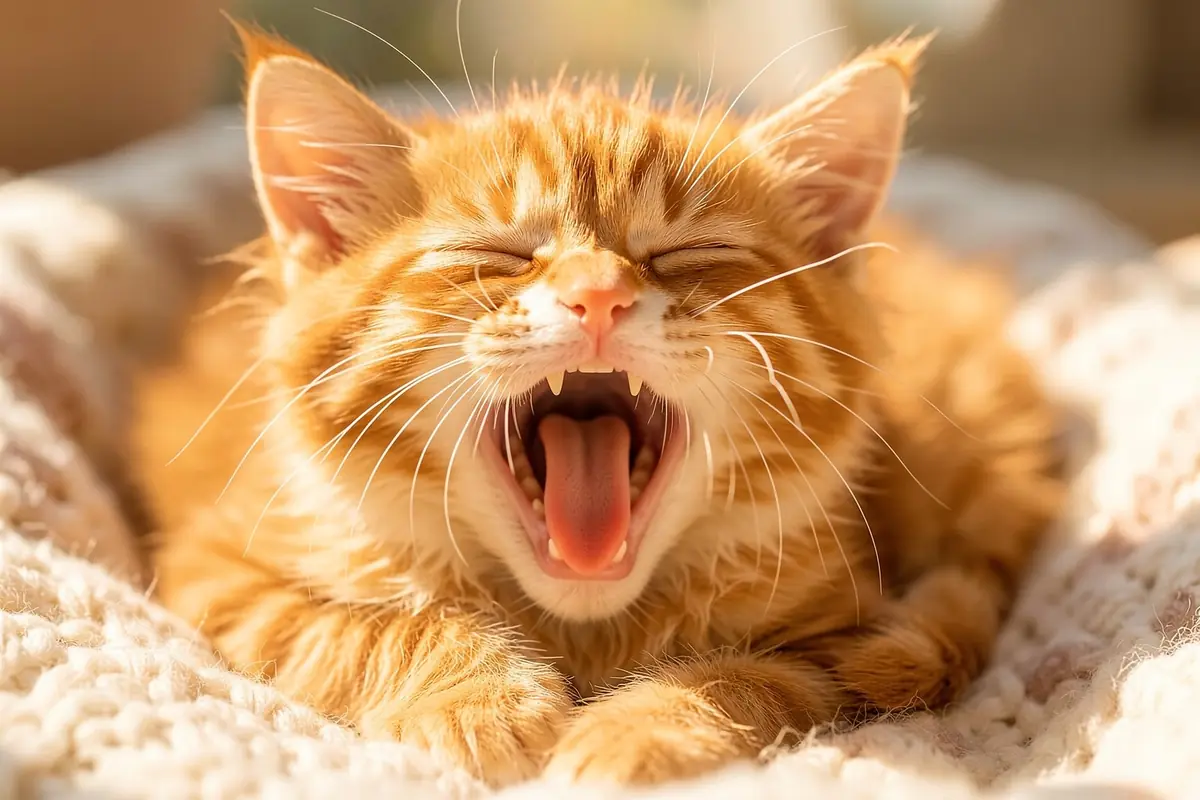
Nobody knows for sure why we yawn, but scientists have some good ideas. One leading theory is that a yawn helps cool the brain by pulling in a big gulp of air and boosting blood flow to the head. Another is that it helps your body switch gears, like waking up or winding down. The old idea that we yawn because we need more oxygen hasn't held up in experiments.
It's probably not about oxygen
For a long time, people assumed a yawn was your body's way of grabbing extra oxygen when you were tired or bored. It makes sense. It's a really big breath.
But when researchers actually tested it in the 1980s, having people breathe air with extra oxygen or extra carbon dioxide didn't change how often they yawned. So the "I need more air" explanation got sent to the myth pile, right next to "you only use 10 percent of your brain."
Your brain might be letting off a little steam
One popular theory is that yawning works like a cooling system for your head. The deep breath of air and the big stretch of your jaw may increase blood flow and help swap warmer blood in the brain for cooler blood.
Some studies back this up in a fun way: people tend to yawn less when the air outside is very hot, when cooling the brain with outside air wouldn't help much. Researchers have also found that holding something cold against your forehead can make you less likely to catch a yawn.
Or it's your body changing gears
Yawns tend to show up at big transitions: right after waking up, right before bed, and during long stretches of boredom. That's led some scientists to think yawning helps the body shift from one state to another, giving you a little jolt of alertness when you need it.
This would explain why you might yawn before a big game, a test or a performance, even when you aren't tired at all. Your body may just be getting ready.
Why yawns are so contagious
Seeing someone yawn, hearing a yawn, or even reading about yawning can set you off. (How are you doing so far?) Contagious yawning shows up in people and has been reported in some other animals too, including chimpanzees.
Scientists aren't sure why it spreads, but research suggests you're more likely to catch a yawn from people you're close to, like family and friends, than from strangers. Young kids also don't seem to catch yawns much until around preschool age. So if your yawn spreads around the dinner table, take it as a compliment. Sort of.
What did you think?
Tap a badge to react. You can pick more than one.

More from Buzzuh
-
 CUTE
Can You Pass This Wild Animal Trivia Quiz?
Three hearts, purple tongues and otters holding hands. Nature is weird.
-
 CUTE
15 Weird Squirrel Facts That Explain Why They're Always Up to Something
They're not just stealing birdseed. They're running a whole operation.
-
 CUTE
Would You Rather: 12 Animal Superpower Choices That Are Way Too Hard
Night vision or a super sniffer? Choose wisely.
-
 CUTE
15 Weird Dog Facts That Will Make You Look at Your Pup Differently
Your dog is a very good boy. Also a very strange one.