Why Do We Eat Pumpkin Pie on Thanksgiving? How an Orange Squash Became Dessert Royalty
Spoiler: the Pilgrims probably didn't have any. Blame a stubborn magazine editor.
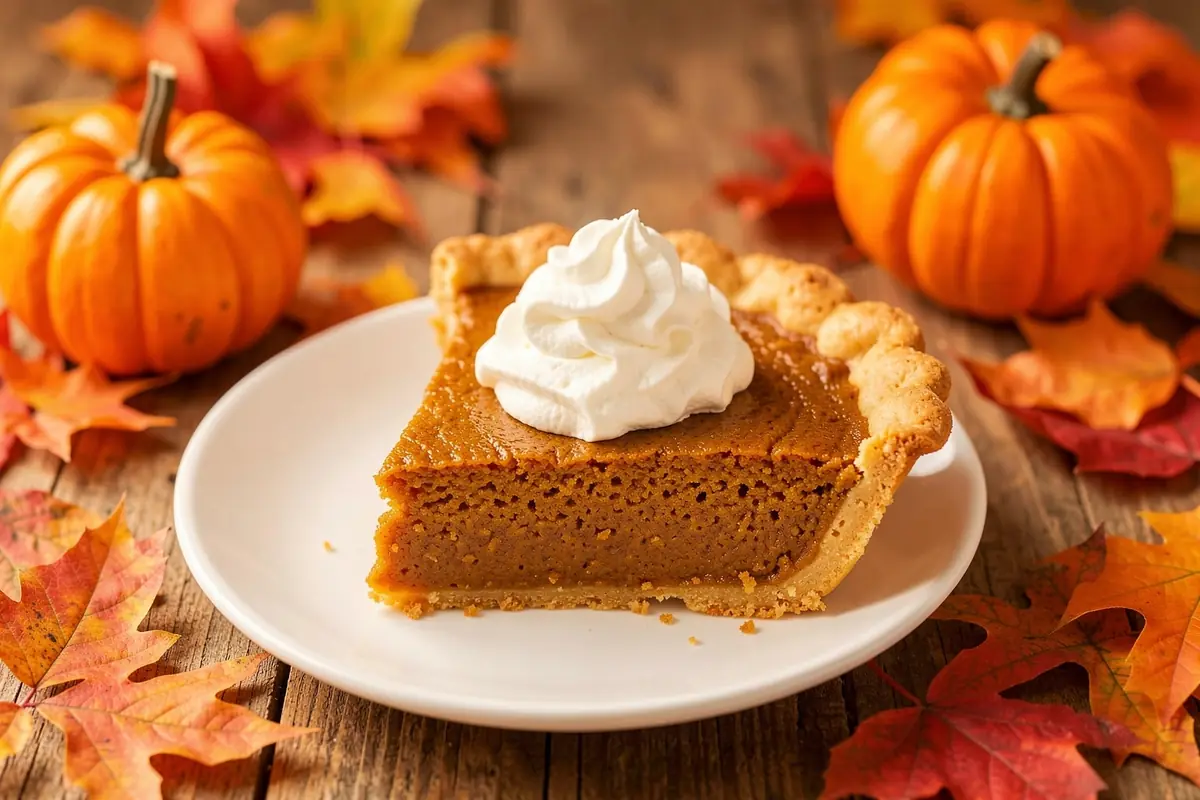
We eat pumpkin pie on Thanksgiving mostly because of 19th-century New England tradition, not the Pilgrims. Pumpkins are native to the Americas and were an easy, cheap harvest food for early colonists, and pumpkin pie recipes showed up in early American cookbooks. Then writer Sarah Josepha Hale, who campaigned for years to make Thanksgiving a national holiday, made pumpkin pie a star of the Thanksgiving table in her writing. By the time Thanksgiving went national in 1863, pumpkin pie came along for the ride.
The Pilgrims probably didn't have pumpkin pie
Sorry to ruin the mental image of everyone passing around whipped cream in 1621. The famous harvest feast in Plymouth almost certainly didn't include pumpkin pie as we know it.
The colonists likely didn't have enough butter and wheat flour for a proper pie crust. Pumpkins and other squash were probably around, since they were a common food grown by Native American communities, but if they were on the menu, they were likely cooked in simple ways, such as stewed or roasted, not baked into a flaky crust with a dollop of whipped topping.
Pumpkins are an all-American (well, all-Americas) food
Pumpkins and their squash cousins are native to the Americas, and people were growing them thousands of years before any Europeans showed up. They were easy to grow, kept well into the winter and could be cooked a bunch of different ways.
Early colonists leaned on them hard, especially in lean times. Pumpkin went into stews, breads and even beer. It wasn't fancy. It was dependable, which is exactly what you want from a food when winter is coming.
The cookbooks caught on
Pumpkin pie recipes were already appearing in European cookbooks by the 1600s, but the dish really found its home in America. When "American Cookery" by Amelia Simmons came out in 1796, often called the first American cookbook, it included recipes for "pompkin" pudding baked in a crust. That's basically pumpkin pie with a fun old-timey spelling.
By the early 1800s, pumpkin pie was a well-loved part of New England holiday dinners. If you lived there, Thanksgiving without it would have felt very wrong.
Then a determined editor made it a national thing
Here's where Sarah Josepha Hale comes in. She was a writer and magazine editor (and the poet credited with "Mary Had a Little Lamb") who spent about 17 years writing letters and editorials pushing for a national Thanksgiving Day.
In her 1827 novel "Northwood," she described a New England Thanksgiving feast in loving detail, and pumpkin pie got its moment in the spotlight. She kept promoting the holiday and its classic dishes for decades. When President Lincoln proclaimed a national day of Thanksgiving in 1863, the New England menu, pumpkin pie included, became the menu for the whole country.
And it's never left the table since
Today pumpkin pie is about as Thanksgiving as it gets. Even people who skip it the rest of the year suddenly need a slice in late November. It's sweet, spiced, easy to make ahead and pairs with whipped cream like they were made for each other.
So when someone at the table says "I couldn't possibly eat another bite" and then takes a slice of pumpkin pie anyway, they're not being weak. They're honoring centuries of tradition. Pass the whipped cream.
What did you think?
Tap a badge to react. You can pick more than one.
More from Buzzuh
-
 LOL
Plan Your Holiday Party and We'll Tell You Which Ugly Christmas Sweater You Are
Jingle bells, pom-poms and questionable life choices. We love it.
-
 WIN
Plan Your Perfect Thanksgiving Day and We'll Tell You Which Side Dish You Are
Let's be real: the sides are the stars.
-
 WIN
Can You Get 10/10 on This Christmas Cookies and Treats Trivia Quiz?
Gingerbread, sugarplums and the cake that looks like a log.
-
 WIN
Can You Get 10/10 on This Christmas Around the World Trivia Quiz?
Witches, Yule Lads and fried chicken: Christmas is wilder than you think.