Why Do We Eat Cranberry Sauce on Thanksgiving? The Tangy History of Turkey's Sidekick
Homemade or wobbly and can-shaped, it's been turkey's sidekick for centuries.
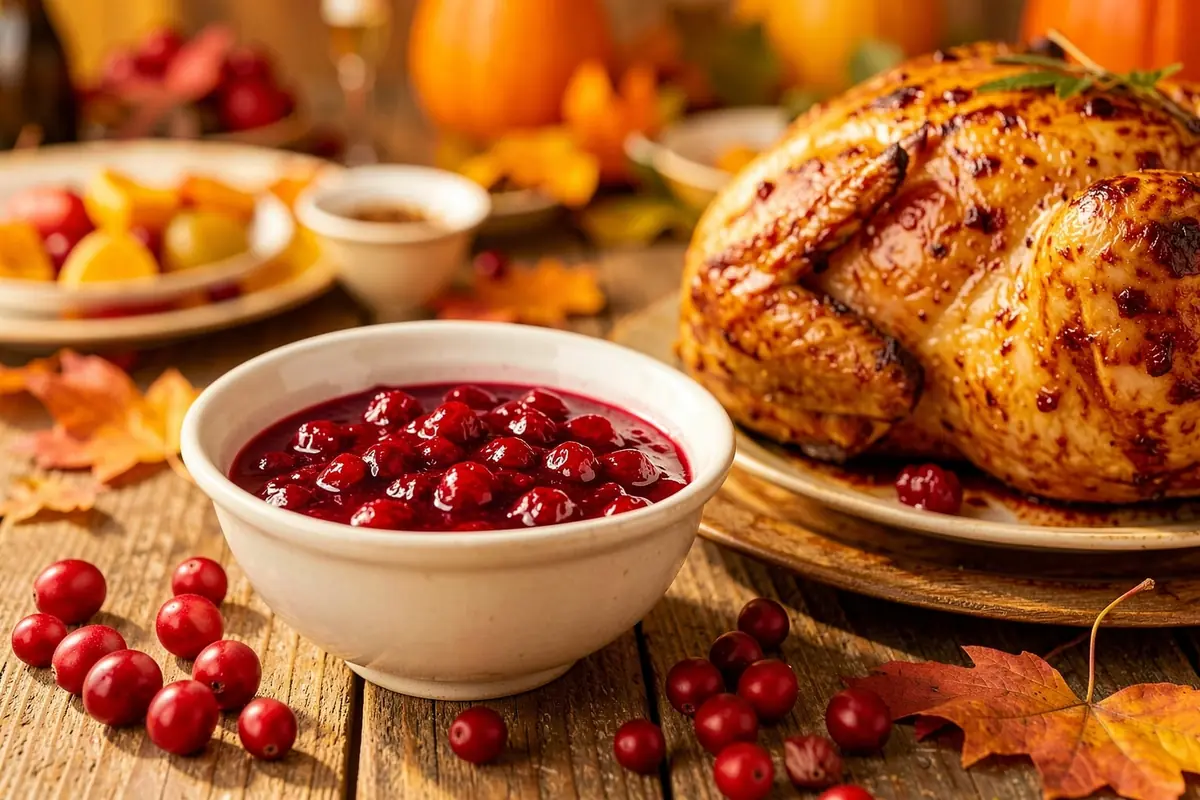
We eat cranberry sauce on Thanksgiving because cranberries are a native North American fruit that's ripe in the fall, and Americans were already serving cranberry sauce with roast turkey long before Thanksgiving became an annual national celebration. A 1796 American cookbook even told cooks to serve roast turkey with cranberry sauce. Canned sauce, first sold in 1912, made it an easy, year-round staple.
Cranberries are as American as it gets
Cranberries are native to North America. Native peoples in what's now the Northeast were eating them, cooking with them and using them as a dye long before any Europeans showed up. Some mixed dried berries with dried meat and fat to make pemmican, a sort of original energy bar.
European settlers picked up on the berries too and gave them the name "craneberry," reportedly because the flower and its bent stem looked like the head and neck of a crane. Over time the name got shortened to cranberry, which is a lot easier to say with your mouth full.
Was it at the first Thanksgiving? Probably not as sauce
The 1621 harvest feast in Plymouth gets the credit for a lot of traditions, but the only surviving first-hand account of the feast, a letter by colonist Edward Winslow, mentions just two foods: wildfowl and deer. Cranberries grew nearby, so they may have been around, but sweet cranberry sauce is unlikely: sugar was expensive and in short supply.
So no, the Pilgrims probably weren't arguing over homemade versus canned. That fight came later.
Turkey and cranberries were already a couple
By the late 1600s, cranberries boiled with sugar were already being described as a sauce for meat in New England. In 1796, "American Cookery" by Amelia Simmons, often called the first American cookbook, told cooks to serve roast turkey with cranberry sauce.
When Thanksgiving became an annual national celebration in 1863, thanks to a presidential proclamation, the menu people already loved for big fall dinners, turkey included, came right along. Cranberries were also in season and easy to find in late fall, which made them a natural fit for a November feast.
Then came the can
Canned cranberry sauce first hit store shelves in 1912, which meant you no longer needed a bog, a pot and an afternoon to get your fix. The jellied version, the one that slides out still wearing the ridges from the can, was available across the country by 1941.
Today the can-shaped log is a beloved, slightly ridiculous Thanksgiving icon. Some families slice it into perfect rounds. Some refuse to let it near the table. Either way, it's not going anywhere.
No, cranberries don't grow underwater
You've probably seen photos of farmers standing waist-deep in a sea of floating red berries. Cranberries actually grow on low vines in sandy bogs. At harvest time, many growers flood the bogs, knock the berries loose and let them float to the surface, since each berry has little air pockets inside.
Those air pockets also make fresh cranberries bounce. Growers have long used bouncing to sort good berries from mushy ones, which is the most fun way to do quality control we've ever heard of.
What did you think?
Tap a badge to react. You can pick more than one.
More from Buzzuh
-
 LOL
Plan Your Holiday Party and We'll Tell You Which Ugly Christmas Sweater You Are
Jingle bells, pom-poms and questionable life choices. We love it.
-
 WIN
Can You Get 10/10 on This Christmas Cookies and Treats Trivia Quiz?
Gingerbread, sugarplums and the cake that looks like a log.
-
 WIN
Can You Get 10/10 on This Christmas Around the World Trivia Quiz?
Witches, Yule Lads and fried chicken: Christmas is wilder than you think.
-
 WIN
Can You Get 10/10 on This Santa Claus Christmas Trivia Quiz?
How well do you really know the big guy in the red suit?