Why Do Leaves Change Color in the Fall? The Science Behind Autumn's Big Show
The yellow was hiding in there all along. Seriously.
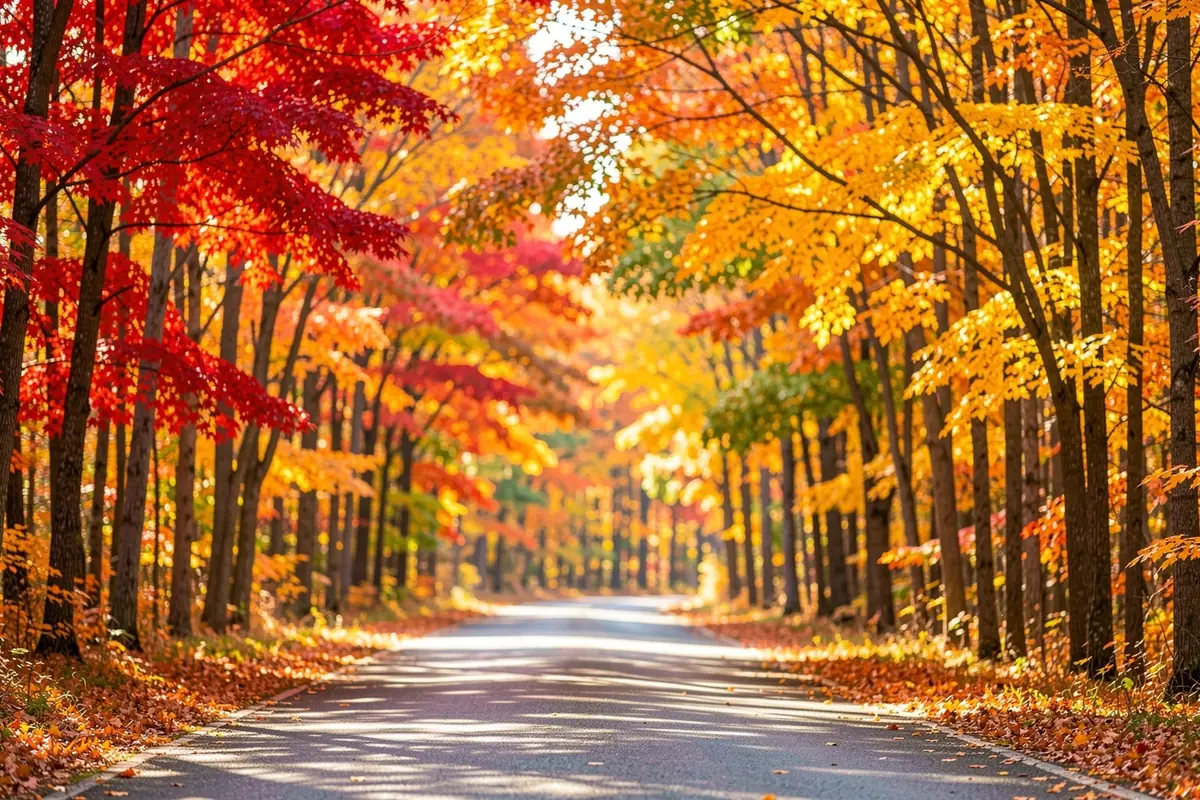
Leaves change color in the fall because trees stop making chlorophyll, the green pigment they use to turn sunlight into food. As days get shorter and cooler, the chlorophyll breaks down and the green fades away. That reveals yellow and orange pigments that were in the leaves all summer, while some trees also make new red and purple pigments.
Green comes from chlorophyll
All spring and summer, leaves are full of chlorophyll. It's the pigment plants use to turn sunlight, water and carbon dioxide into food, and it's so green that it covers up every other color in the leaf.
Basically, chlorophyll is the loudest person in the room. Nobody else gets noticed until it leaves.
Shorter days tell trees to shut down
As fall arrives, the days get shorter and the nights get cooler. Trees that drop their leaves take that as a sign to stop making food for the winter. They stop making new chlorophyll, and the green slowly breaks down.
Yellow and orange were there all along
Once the green fades, other pigments called carotenoids finally show through. They're the same family of pigments that make carrots orange, and they were hiding in the leaves all summer.
So yellow leaves aren't changing color, exactly. They're finally showing their true colors. That's very inspiring for a leaf.
Red and purple are made fresh
Reds and purples come from pigments called anthocyanins. Unlike yellows, many trees make most of these new in the fall. Trees like red maples and sweetgums are famous for them.
Sunny days and cool (but not freezing) nights help trees make more of these pigments, which is why some years are much more colorful than others.
Then the leaves let go
Finally, the tree forms a special layer of cells where each leaf stem meets the branch. It seals off the leaf, and eventually the leaf falls. Brown leaves are what's left when all the colorful pigments are gone, leaving mostly tannins behind.
And that's when you go outside and rake. And rake again. Science is beautiful.
What did you think?
Tap a badge to react. You can pick more than one.
More from Buzzuh
-
 CUTE
Can You Pass This Wild Animal Trivia Quiz?
Three hearts, purple tongues and otters holding hands. Nature is weird.
-
 OMG
15 Weird Octopus Facts That Sound Made Up but Are Totally True
Three hearts, blue blood and a talent for escaping.
-
 OMG
Can You Get 10/10 on This Out-of-This-World Space Trivia Quiz?
Planets, moons and a sneaky question about the closest star.
-
 OMG
15 Weird Facts About Your Body That Sound Made Up
Your body is stranger than you think. Number 3 is going to bother you.